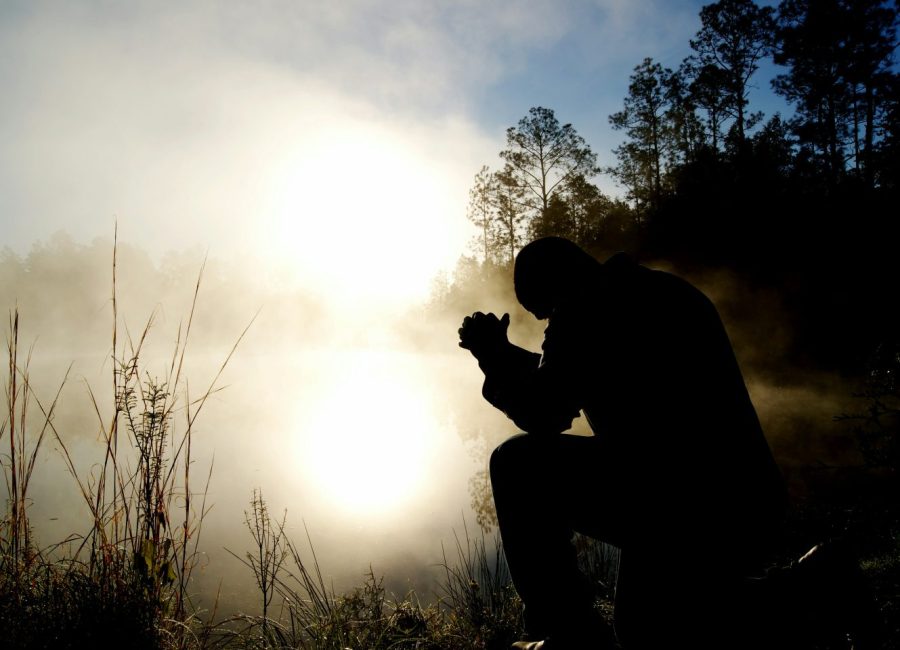
“It is better in prayer to have a heart without words than words without heart.” – Mahatma Gandhi
“It has been said that mysticism is the antidote to fundamentalism; I think we can expand that to say that contemplation is an antidote to scapegoating. Jesus taught his disciples to refrain from judging others – and while I do believe that thoughtful discernment is both psychologically and spiritually healthy; I see the mandate to suspend judgment as an invitation to meet people where they are, to listen to their stories, and to respond with compassion and care, rather than fear, aggression, or exclusion. So, the practice of contemplative forms of prayer has helped me to love myself better, to love God better, and to love my neighbor better.” – Carl McColman
Prayer is a communication vehicle between the Creator and creation, representing dialogue in relationship. Prayer doesn’t necessarily need words; but words, songs, chants, laments, or silence can all be elements of prayer. Sometimes we pray in groups, and at other times prayer is a solitary activity. Prayers can be requests for healing, gratitude for current circumstances, or acts of worship. An active prayer life has been an element of mystics throughout the ages; however, prayer is not necessary for mystical experience to materialize.

